



What Do Turban Colors Mean in Sikhism?
Saffron, navy blue, white, black — every color tells a story. Here's what centuries of Sikh tradition says about the meaning behind each shade, and the one truth that ties them all together.
The Most Important Thing to Understand First
In Sikhism, turban color is ultimately a matter of personal choice. There is no religious rule that prescribes or forbids any specific color. The World Sikh Organization states this plainly: color selection is personal and contextual, not strictly prescribed. What exists is centuries of tradition that has attached meaning and association to certain colors — and those associations are worth understanding. But a Sikh wearing maroon on a Tuesday is not making a spiritual statement about maroon. He is wearing what he loves, what suits him, and what he chooses. That freedom is itself part of the Sikh tradition.
Saffron / Basanti / Kesariya
Saffron — known as Basanti or Kesariya in Punjabi — is the most spiritually significant color in Sikhism. It is the primary color of the Nishan Sahib, the Sikh flag that flies above every Gurdwara in the world. It was the color worn by the Sikh warriors and saints who gave their lives defending the faith and the rights of others.
The meaning embedded in saffron is rich: wisdom, rooted in Guru Nanak Dev Ji's teaching that we are all one with the Divine. Courage — the willingness to stand for what is right regardless of personal cost. Sacrifice — honoring those who gave everything for the faith and for justice. And devotion — a complete surrender to the love of the Divine.
Saffron turbans are commonly worn by Granthis (the custodians of the Gurdwara) during daily service, and by many Sikhs during Gurpurabs (anniversaries of the Gurus) and other religious observances. It is also paired with navy blue in Khalsa tradition — the two colors together represent the complete spiritual warrior: wisdom and protection, devotion and valor.
Navy Blue / Dark Blue
Navy blue holds one of the deepest histories of any color in Sikh tradition. It is the color historically associated with the Akali and Nihang Sikhs — the warrior orders who have been guardians of the Sikh faith for centuries. The deep blue of the Nihang turban represents sovereignty, authority, and the protection of the righteous.
Blue in Sikh tradition also carries the meaning of the infinite — the blue of the sky and the ocean, vast and boundless, reflecting the nature of the Divine. It is worn by many Sikh ministers and Gyanis, especially in India, as a color of spiritual depth and groundedness.
In everyday modern life, navy blue has become the single most popular turban color among Sikh men worldwide — in part because of its deep spiritual resonance, and in part because it is simply the most versatile and flattering shade for daily and professional wear. It is the color that bridges tradition and the modern world most naturally.
White / Ivory
White is one of the most spiritually layered colors in Sikh tradition. It carries meanings of peace, purity, and humility — qualities that sit at the heart of Sikh practice. A white turban projects a sense of calm clarity, a mind focused on the Divine rather than on the noise of the world.
White turbans have long been associated with elders in the Sikh community — men whose lives have been lived in wisdom and service, whose presence projects quiet authority. It is also worn during solemn occasions such as a funeral or mourning period, where bright colors are set aside in favour of the peaceful simplicity of white.
Among many Western Sikhs — particularly those connected to the 3HO tradition — white is worn as everyday dress, representing an intention to expand one's spiritual presence and radiate light. In Sikh Kirtan events, white is sometimes worn to allow for a clearer energetic presence during devotional singing.
Black
Black in Sikhism carries a specific spiritual meaning — it represents the surrender of ego. In Sikh teaching, ego (haumai) is the central obstacle between a human being and the Divine. A black turban is a visual reminder of this teaching — the choice to set ego aside, to move through the world in humility rather than in pride.
It is also the most universally formal color — worn at black-tie events, formal professional occasions, and high-stakes moments where a powerful, authoritative presence is called for. Black pairs effortlessly with almost any outfit and works for every skin tone, which makes it one of the most practical colors in any turban wardrobe.
Among younger Sikh men, black has become increasingly popular — both for its spiritual depth and for its clean, sharp versatility in modern professional and social contexts.
Pink / Red
Pink and red carry meanings of love, happiness, and new beginnings in Sikh and Punjabi tradition. These are the colors of spring — of life renewing itself, of joy breaking through after winter. They are worn during the season of Vaisakhi and during festivals when the world is bursting with color.
At Sikh weddings, the groom's turban is often pink or red — a color that represents love and commitment, the opening of a new chapter of life. A groom in a deep pink or crimson turban at his wedding is one of the most recognisable images in Punjabi culture worldwide.
Both shades have grown significantly in popularity for everyday wear too — pastel pinks and dusty roses are among the most fashionable turban colors in contemporary Sikh style, worn with confidence and pride by men of every age.
Yellow / Mustard / Gold
Yellow and its deeper relatives — mustard and gold — carry meanings of sunshine, joy, and festivity. In Punjabi culture, yellow is a color of celebration and warmth, worn during harvest festivals like Baisakhi and at happy family occasions. It is a color that radiates optimism and generosity.
Mustard and deep gold have experienced a significant resurgence in contemporary Sikh style — particularly as a daytime and casual wear color that pairs beautifully with whites, navies, and earth tones. Pastel yellow has become especially popular among younger Sikh men for its fresh, modern look.
The Truth — Color Is Ultimately Personal
"Although traditionally Sikh turbans are white, black, blue and yellow/orange, many Sikhs wear other colors and shades to suit their personal preferences. It is a personal choice."
This statement from the World Sikh Organization captures something important. The meanings above are real — they are part of centuries of tradition and carry genuine spiritual weight. But they are associations, not rules. A Sikh who wears maroon on a Monday morning is not making a statement about maroon's meaning. He is wearing what he loves.
Sikhism has always resisted the rigid codification of outward practice when it overshadows inner truth. The Dastar matters because of what it represents — Love and Justice, the commitment to carry the Divine into every room you enter. The color is the expression of the individual within that commitment. It is personal, it is free, and it is beautiful.
Color by Occasion — Traditional Associations
| Color | Traditional Association | Common Occasions |
|---|---|---|
| Saffron / Orange | Khalsa, courage, wisdom, sacrifice | Gurpurabs, religious observance, Gurdwara service |
| Navy / Dark Blue | Sovereignty, protection, warrior tradition | Everyday, Khalsa events, formal occasions |
| White / Ivory | Peace, purity, humility, elders | Daily wear, funerals, Kirtan, solemn occasions |
| Black | Ego-surrender, humility | Formal events, professional settings, everyday |
| Pink / Red | Love, new beginnings, spring | Weddings, Vaisakhi, festive occasions |
| Yellow / Gold | Joy, sunshine, harvest | Baisakhi, celebrations, casual everyday |
| All other colors | Personal choice and expression | Any — color is ultimately free in Sikhism |
Frequently Asked Questions
No. There are no forbidden or prohibited turban colors in Sikhism. Color choice is entirely personal. Some colors carry historical and spiritual associations — but none are off-limits. A Sikh may wear any color they choose.
Most Sikh men choose their turban color based on personal preference, what suits their skin tone, what matches their outfit, and what they are drawn to — not primarily on spiritual meaning. The meanings are part of the tradition and worth knowing, but they do not govern everyday color choices for most Sikhs.
Traditionally, pink and red are the wedding colors in Punjabi and Sikh culture — associated with love, celebration, and new beginnings. Many grooms today also choose maroon, deep red, ivory, or other colors based on their personal preference and how it coordinates with the wedding's color scheme. Read our full groom's turban guide for more.
White is associated with peace, purity, and humility in Sikhism — which makes it a natural choice for occasions of mourning, where bright colors are set aside. It is particularly common among Eastern Sikh communities to wear white at a funeral or during a period of mourning. Western Sikh communities often wear white as everyday dress regardless of occasion.
Saffron holds special significance as the color of the Nishan Sahib (the Sikh flag) and the Khalsa — and it carries deep associations with courage, sacrifice, and devotion. But "most important" is a difficult claim to make in a tradition that ultimately values personal freedom of expression. Every color worn by a Sikh who carries the Dastar with sincerity carries its own importance.
Wear the Color That Speaks to You
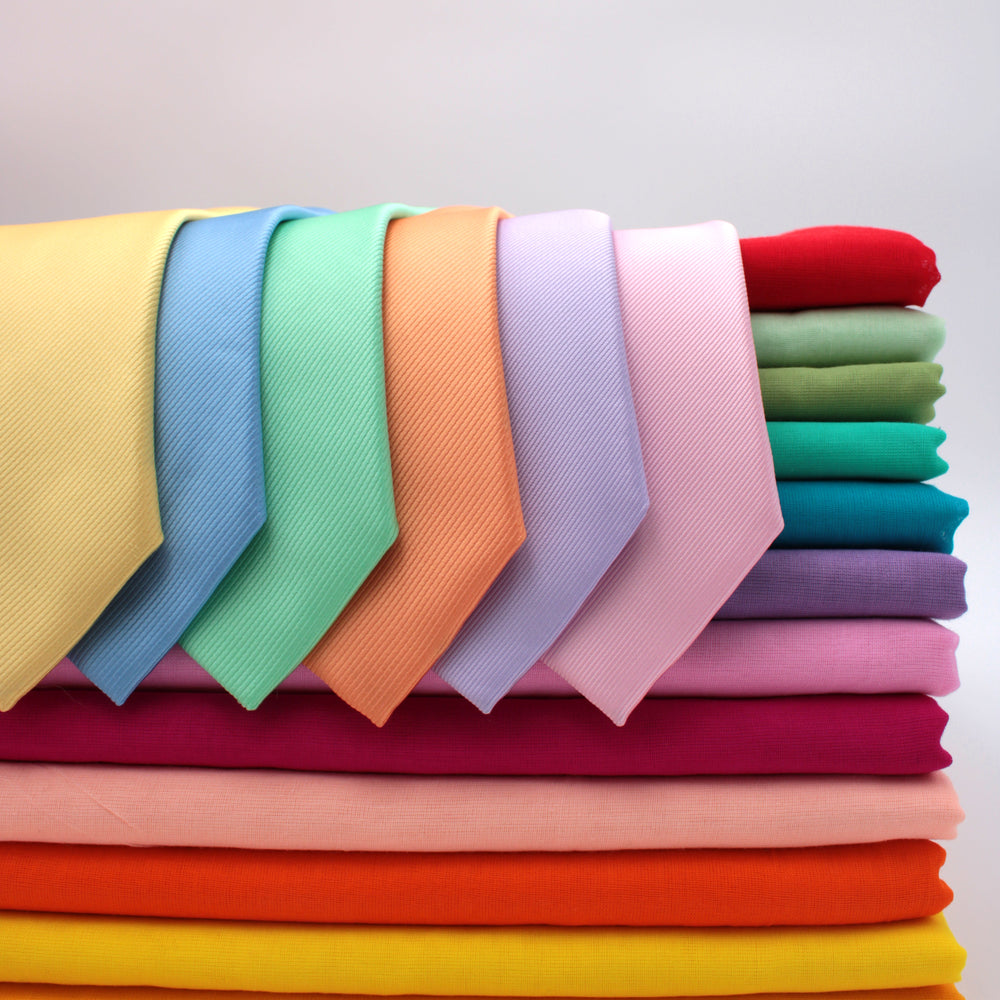
100+ colors across Full Voile, Rubia Voile and Mal Mal F74. Free Pikko stitching on every order. Shipping across India and worldwide.
Browse All 100+ Colors →


Leave a comment