



How to Tie a Punjabi Turban for the First Time
The Punjabi Dastar is the most worn turban style in the world. Here is a clear, step-by-step guide to tying it — written for someone doing it for the very first time.
Before You Start — What You Need
For beginners, Full Voile is the easiest fabric to learn with — it's light and flows naturally. Use at least 6 metres; 8 metres is ideal while learning.
This is the most important preparation step. Always oil your hair before tying — dry hair is slippery and gives the turban nothing to grip onto.
Tying a Patka underneath first gives your turban a stable base to rest on. Strongly recommended for beginners.
You need to see both the front and the back as you tie. A mirror — or someone watching — makes the process much easier.
The #1 Tip Before You Tie a Single Fold
Oil your hair. Every time, without exception. When your hair has been recently washed and dried without oil, the strands become smooth and slippery — the turban will shift and loosen within hours. A small amount of hair oil applied and worked in before tying gives your hair the natural grip it needs to hold everything in place all day. This single step solves the majority of loosening problems beginners face.
Read our full guide on why turbans come loose and how to fix it for more on this.
What Is the Punjabi Dastar?
The Punjabi Dastar — also called the Punjabi Pagg — is the most commonly tied turban style among Sikh men worldwide. It is characterised by its distinctive forward peak at the centre of the forehead, known as the Aur. This peak is not just a style element — it has historical roots. This same shape of turban was traditionally worn by Maharajas, kings, and rulers across Punjab and the Sikh empire. When you tie this style, you are carrying that lineage.
The folds of a turban are called Lar . The way each Lar is placed determines the shape, structure, and height of the finished turban. The Punjabi style is built around clean, forward-facing Laraan that build naturally toward that central peak.
Key Terms to Know
Step-by-Step: Tying the Punjabi Dastar
Work through these steps slowly the first few times. Speed comes with practice — accuracy matters more at the beginning.
Before you begin wrapping, take a small portion of one end of the turban fabric — about 30 to 40 centimetres — and hold it lightly between your teeth or tuck it just inside your mouth. This is the Palla, the tail end that will secure the back of your turban at the very end.
This step might seem unusual, but it is how experienced Sikh men have tied turbans for generations. Holding it in your mouth keeps it controlled and out of the way while you wrap — and it allows the fabric to be pulled taut and cleanly at the final step to lock everything in at the back.
This is the most important fold. The first Lar sets the angle and direction for everything that follows — so take your time getting this right.
Starting from the back of your head, bring the fabric up from a high position — imagine the 11 o'clock position if your head were a clock face. Bring the fabric across the top of your head and forward, sweeping it down so it passes just above your eyebrow at the front, then continues down past the lower edge of your left ear at the side.
This diagonal angle — high at the back, sweeping down toward the front-left — is what creates the Punjabi style's characteristic shape. Keep this Lar as even and clean as possible.
Continue bringing the fabric around your head, building each Lar slightly above or parallel to the last. Maintain even tension throughout — not painfully tight, but consistently firm. Each Lar should sit cleanly against the previous one without gaps or bunching.
As you complete the second and third Lar, watch the centre of your forehead carefully. A subtle point — the Aur — will begin to emerge naturally just above the centre of your forehead. This is the Punjabi style forming on its own. Do not force or push it — let it build naturally as the fabric layers accumulate.
The last Lar is the most visible and the most defining. It is what finalises the height and sharpness of the Aur, and gives the Punjabi Dastar its sense of strength and presence. Historically, this same peak was associated with kings and warriors — the forward projection of the turban was a mark of authority.
Place this final Lar with care — keeping it clean, even, and at a slightly more forward angle than the previous ones to sharpen the Aur. This is also the Lar that will visually hold everything together at the front.
Now take the piece of fabric you were holding in your mouth — the Palla. Pull it out gently and steadily. As you do, you will feel it pull against the fold that went over your head in the early Laraan — this tension is what locks the turban together from the inside and keeps it from unravelling.
With the Palla fully out, bring it to the back of your head. Make sure all the fabric is lying neatly — no edges flapping outward. Any edges should be folded inward, tucked clean against the turban. Then push the Palla firmly into the back of the turban, tucking it in securely so it disappears from view.
Step back and look in the mirror. Check the Aur at the front — is it centred and clear? Check the sides — are the Laraan even and parallel? Check the back — is the Palla tucked in neatly with nothing sticking out?
If something looks off, identify exactly which Lar is the problem and gently adjust or redo only that section. With practice, you will be able to make small corrections without unwrapping the whole turban.
And when it looks right — stand tall. The Punjabi Dastar was worn by kings. Wear it like one.

Common Beginner Mistakes — and How to Avoid Them
The most common mistake. The first Lar must be the firmest. Everything rests on it — if it's loose, the whole turban loosens from the base upward through the day.
Dry hair gives the turban nothing to grip. Always oil after washing. This is the single most effective fix for turbans that shift or come loose.
The Aur builds naturally from the angle of the Laraan. Do not push the fabric forward to create it — that creates an unnatural, uneven bump. Let the angle of your wrapping do the work.
Nobody ties a perfect turban the first time. Or the fifth time. Most experienced Sikh men needed weeks of daily practice before it started to feel natural. Be patient — the muscle memory builds faster than you expect.
What to Do After Your First Tie
The best thing you can do after learning to tie once is to tie again tomorrow. And the day after. The turban rewards daily practice more than anything else — even 10 minutes a day will build the hand memory faster than an occasional long session.
Once you're comfortable with the basic Punjabi style, you can explore the Dumala (a double-layered warrior style traditionally associated with Nihang Sikhs) or regional variations — but the Punjabi Dastar gives you a complete, beautiful, everyday turban that will serve you for life.
Frequently Asked Questions
Most beginners start to feel comfortable after 2 to 4 weeks of daily practice. The first few times will feel slow and imperfect — that's expected. By the end of the first month, most people can tie a clean, even turban in 10 to 15 minutes.
Use at least 6 metres. 8 metres is actually easier to learn with because the extra fabric gives you more to work with and more layers to create hold. You won't waste the extra — cut to your preferred length once you know it, and tie the remainder as a casual Parna at home.
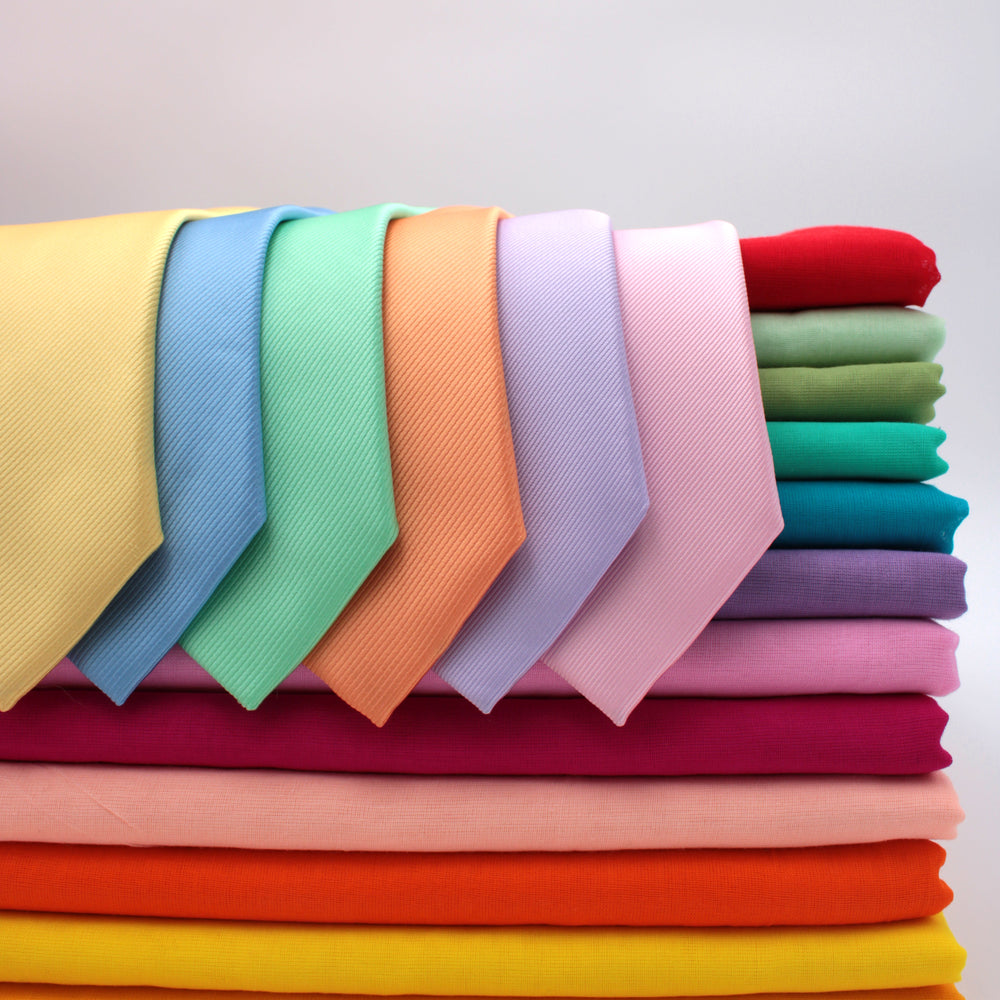
Full Voile is the easiest to learn with — it's light, flows naturally, and is forgiving when you're still finding your technique. Browse our Full Voile collection in 100+ colours to find one you love.
The Aur is the forward-facing peak that forms naturally at the centre of the forehead as you build your Laraan. It is the defining feature of the Punjabi Dastar — historically associated with royalty and leadership. It forms on its own when your Laraan are at the correct diagonal angle; you don't need to do anything extra to create it.
Almost always one of two things: unoiled hair, or a loose first Lar. Oil your hair after every wash before tying, and focus on making the first Lar firm. Read our full guide on why turbans come loose for a complete breakdown.
Ready to Tie Your First Turban?
Shop premium Full Voile turbans — the best fabric for beginners — in 100+ colours. Free Pikko stitching on every order. Shipping across India and worldwide.


Leave a comment