



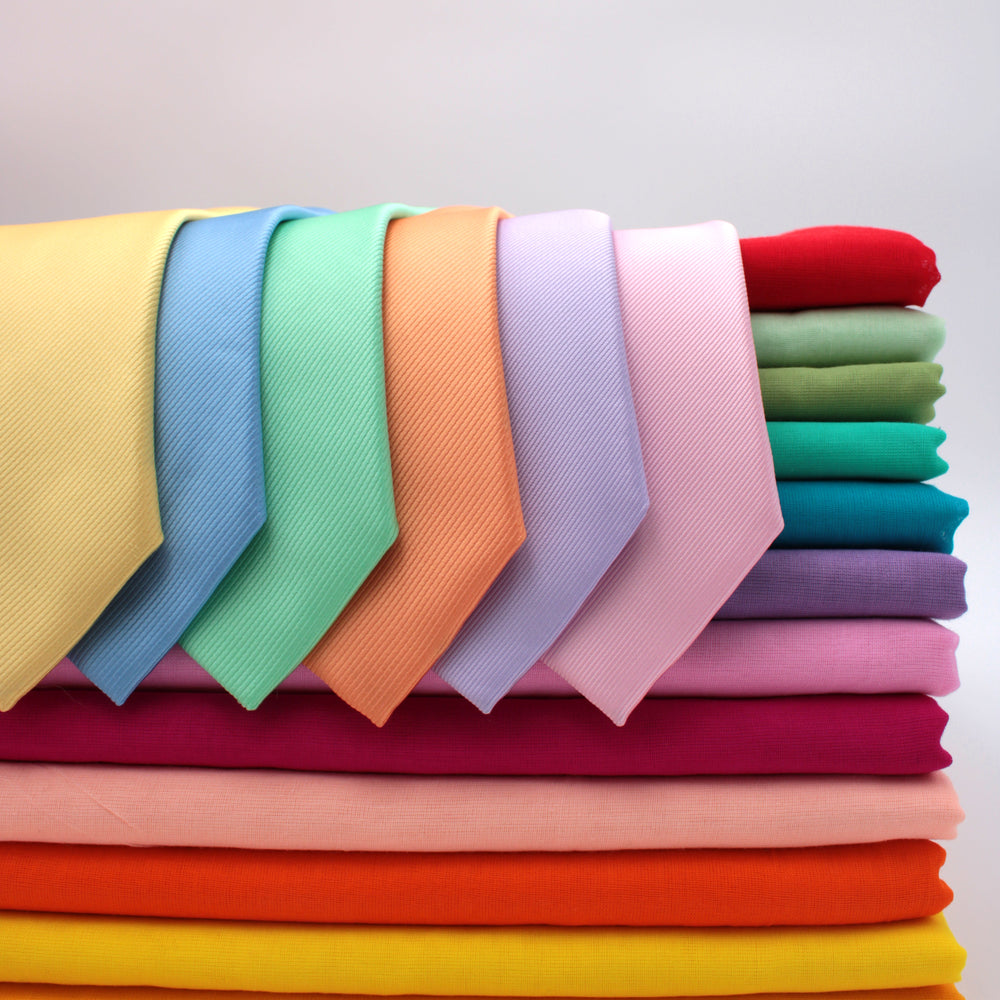
Who wears the turban?
Introduction
Many cultures all over the world sees the turban as a crown of honor. It has deep cultural, spiritual, and traditional meaning. The turban is most often associated with Sikhs, but it means a lot more than just religion. Let's look who wears the turban, why they wear the turban, and what are the different styles and meanings of it .
What is a turban?
A turban is a long piece of cloth that is wrapped around the head in different ways. the Turbans come in different lengths, fabrics, colors, and ways of wrapping them, depending on where they are from . It is a sign of respect and protection from things like dust and sun.

Who wears the turban?
Many people think of Sikhism whenever they see a turban, but people from other religions and areas also wear turbans, such as Hindus, Muslims, Rajasthani men, Afghans, and people from the Middle East.
1. Sikhs
The dastar is holy for Sikhs. It’s not a fashion choice but a religious commandment. Sikh men and women are increasingly wearing the turban as a sign of their faith, equality, and discipline. It keeps the uncut hair (kesh), which is one of the Five Ks, or articles of faith, that show devotion to God.
2. Men from Rajasthan
In Rajasthan, India, turbans or safas are a part of everyday clothing and culture. The color and style of the clothes often show where the person is from, what caste they belong to, and even what event they are at. For example, bright colors are worn during celebrations and white is worn for mourning. It also works well in the desert because it keeps out heat and dust.
3. Muslims
Men in many Islamic cultures wear turbans (amamah) to show respect and modesty. It is said that the Prophet Muhammad wore one, which made it a symbol of tradition and spirituality. Sudan, Afghanistan, and Yemen are some of the countries that still do this, but the sizes and colors are different.
4. Communities of North Indians and Punjabis
Punjabi Hindus and farmers wear turbans as a sign of respect, strength, and honor outside of Sikhism. It stands for pride and duty, especially in rural India.
5. Men from the Middle East and Africa
In some parts of Saudi Arabia, Oman, Sudan, and Ethiopia, people wear turbans as part of their traditional clothing. They are often tied in different ways, like long, flowing wraps that keep the sun and sand off of them. They stand for heritage and manliness.
Why People Wear Turbans
Different faiths, cultures, and personal choices lead people to wear turbans, but they often share the same core values of identity, respect, and honor.
1. Connection to the Spirit
The turban is a spiritual crown for both Sikhs and Muslims. It means being connected to God and promising to live a disciplined and humble life.
2. Heritage of Culture
the turban shows where someone is coming from. It connects people to their roots, values, and history, and it has been passed down through generations.
3. Sign of Respect
Putting an turban is seen as a sign of respect for yourself, for others, and also for tradition. People wear it to weddings, ceremonies events to show respect and honor.
4. For practical reasons
In desert areas, the turban also has a practical use: it keeps the head and neck safe from extreme temperatures, sand, and dust. It looks good and is useful.
Do only Sikhs wear turbans?
No, Sikhs are the most well-known group that wears turbans, but many other cultures and religions do too. The turban has been an head covering from many time, worn by Hindu and Rajasthani , Muslim , and African .
The Sikh turban, on the other hand, is special because it has religious meaning every day; it stands for equality, humility, and bravery. Guru Gobind Singh Ji made the turban an important part of Sikh identity, and every Sikh who wears one carries on his legacy.
Different kinds of turbans
There are many different kinds of turbans worn around the world, and each one has its own story, name, and meaning.
1. Full Voile Turban
This kind is made of light voile fabric, which is soft and breathable. Sikhs like to wear it every day. It keeps its shape all day long while being comfortable and easy to wear.
2. The Malmal Turban
Malmal is great for dumalas or traditional Sikh styles because it is soft and smooth. Because it is so light, it is comfortable, especially in warm weather.
3. Dumala
A taller, round-style turban that devout Sikhs, especially Nihangs, wear. The dumala shows a warrior. It is usually tied with several layers and sometimes has a metal symbol called a chand tora on it.
4. Safa
The safa is a colorful and festive turban that is mostly worn in Rajasthan and Gujarat. It makes weddings and cultural events more fun. The color shows the mood or occasion: red for weddings.
5. The Patiala Shahi Turban
This style comes from Patiala, the royal city of Punjab. It is big and royal. The layers are folded neatly, which gives the look of grace.
6. Style of Pochha (Parna)
This is a simpler wrap style that farmers and older people in Punjab like to wear every day.
Colors and What is the meaning of color.
1. White means peace, and purity.
2. Blue stands for bravery, and devotion to Sikhism.
3. Saffron/Orange: bravery, sacrifice,
4. Red: love, and parties
5. Black: Strength and resistance
6. Pink means happiness, celebration, .
People choose colors not only for how they look but also to show how they feel, ita like a flag of personal identity.
Turban: A Crown of Self
The turban is more than just cloth for many people; it's a sign of who they are in real. It tells everyone that the person wearing it is on the path of honor and self-respect. The turban's timelessness comes from its power to bring people together through culture, tradition, and respect.
The turban is still a living symbol of faith, and individuality, no matter what religion or region you are in.
conclusion
The turban is more than just a fashion ; it is a mix of faith, and personal expression. Every style, from the Sikh dastar to the Rajasthani safa, has a meaning that connects the wearer to their culture and identity. The turban is still a symbol of pride and purpose, whether it is tied for devotion, respect, or protection.
Faqs
1. What is the reason Sikhs wear turbans every day?
As part of their faith, Sikhs wear turbans every day to protect their uncut hair (kesh) and show respect, discipline, and equality.
2. Can women wear turbans as well?
A lot of Sikh women wear turbans with pride to show that they are equal, and strong in their faith.
3. Is a turban the same in all cultures?
No, styles and meanings are different. Sikh turbans are religious, but Rajasthani or Middle Eastern turbans are more often cultural or traditional.
4. How long is the cloth for a turban?
The length of a turban can be anywhere from 5 to 8 meters, depending on the style and the culture.
5. What kinds of fabric work best for turbans?
Full Voile, Malmal, and Rubia are some of the most popular fabrics. They are breathable and comfortable for everyday wear.


Leave a comment