



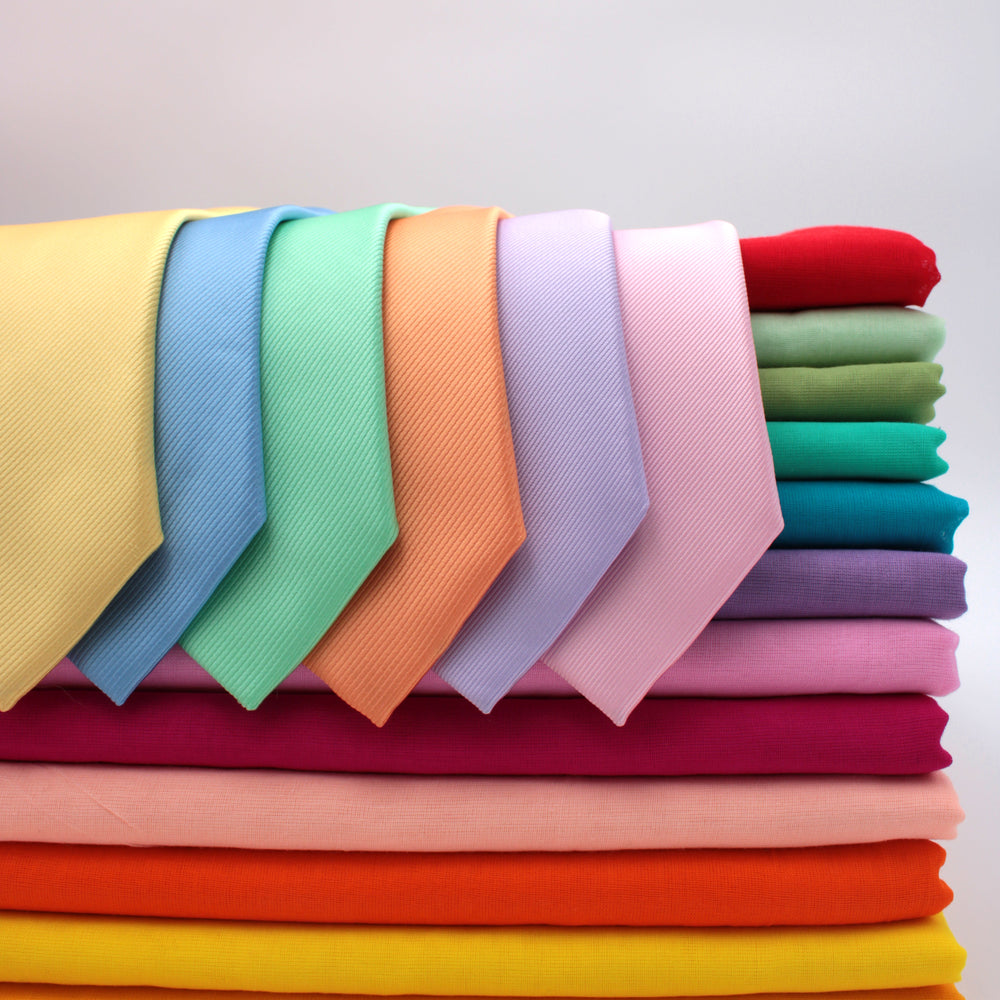
Different types of turbans in india.
Introduction
Each and every piece of cloth in India tells a story, and the country has many colorful clothes. The Turban is one of the most important culture symbol. It's not just a piece of cloth; it's a crown of respect, honor. Every area has its own style, colour, and meaning for turbans.
Let's look into the interesting world of Indian turbans, including their types, colors, materials, and cultural significance.
The turban, also called Pagri, Safa, or Dastar, is very important. It stands for self-respect, bravery, and duty. In many parts of India, giving someone a turban is a sign of respect, and taking one off can be a sign of humility or mourning. It's more than just clothes; it's a symbol of heritage and pride.
The History of Wearing a Turban
Turbans have been worn in India for hundreds of years. Turbans were worn by ancient kings, warriors, and saints to show that they were brave, royal, and devoted. Over time, these changed into different styles in different areas, based on the weather, the availability of fabrics, and the customs of the people living there.

Different Types of Turbans in Different Parts of the World
Punjabi Turban (Pagg or Dastar)
Turbans are an important part of Sikh culture in Punjab. The Dastar stands for faith, equality, and order. Patiala Shahi, Amritsari, and Double Patti are popular styles for Sikh men. They often wear them with bright, solid colors.
Pagri from Rajasthan
Rajasthan is famous for its colorful and voluminous turbans, often reflecting region, caste, and season. The pagris from Jaipuri, Mewari, and Jodhpuri come in different colors and ways of wrapping. People who live there can even tell where someone is from by their turban.
Mysore Peta (Karnataka)
The Mysore Peta is a symbol of royalty and honor that kings of Mysore used to wear. Today, grooms, politicians, and scholars wear it for special events.
Pheta (Maharashtra)
The Pheta is short and neatly tied, and it is usually orange or saffron in color. It stands for bravery and excitement, especially at weddings and festivals like Ganesh Chaturthi.
Patiala Shahi Turban
The Patiala Shahi turban is a royal version of the Punjabi style. It has a layered, rounded look that makes it look more grand. Younger people love it because of its classy shape.
The Dumala is a Sikh warrior turban.
Nihang Sikhs wear the Dumala as a sign of bravery, spirituality, and readiness. Its tall, round shape and the fact that it often has a Chand Tora (metal emblem) on it set it apart.
Safa from Jodhpur or Marwari
The Safa is usually made of bandhani or printed fabric and is worn in Rajasthan and Gujarat. It's shorter than a pagri and great for weddings and other special events.
Himachali Turban
In Himachal Pradesh, men wear bright, patterned woolen turbans or topis that show where they come from or what tribe they belong to. Each district has its own set of colors.
Turbans from Tamil and Kerala
People in southern India wear simpler turbans, like the Thalappa, which are usually white or cream. These are pure and useful, and they work well in hot weather.
Pagri in Haryanvi
The Haryanvi turban is thick, strong, and useful. Farmers wear it every day to protect themselves from the sun, but it also stands for pride and manliness in Haryana culture.
Popular Turban Materials in India
The fabric of a turban is what makes it beautiful. The material used affects the texture, shine, and drape. Full Voile, Rubia Fine, Malmal, and cotton blends are some of the most popular materials in India.
Each fabric has its own purpose: light and airy for everyday wear, and heavier and crisp for special occasions.
Fabrics that are used a lot For turbans
Complete Voile
Full Voile is soft, breathable, and smooth, making it great for everyday use. A lot of Sikhs use it every day for their turbans.
Fine Rubia
A material that is a little thicker and gives shape. Perfect for events that are more formal and in colder places.
Muslin Malmal
Malmal is very light and comfortable, so it's great for Dumalas and summer clothes. Because it is soft, it is easy to wrap and handle.
Cotton and Blends
Cotton lasts a long time, lets air through, and is easy to care for. It's the best choice in hot places like Haryana and Rajasthan.
Colors of Turbans and What is the mean of it.
Colors are very important in the tradition of turbans. There is a reason behind every shade.
· Red and maroon stand for love .
· White stands for peace and purity.
· Orange and yellow: happiness.
· Blue: Royalty .
· Black and Navy: Strength and Grace
feathers for turbans
Turbans are often decorated with feathers (Kalgi) and fancy brooches when worn in traditional or royal clothing. Grooms in North India, in particular, wear turbans with pearls or jewels on them that are very pretty.
When to Wear a Turban
Many people wear turbans every day, but they are also very important for weddings, religious events, and festivals. Depending on the event, the type and color change. For example, bright colors are for happy events, white is for simple events, and dark colors are for formal events.
How Turbans Show Who You Are
Every turban has a story about faith, family, and being unique. For Sikhs, it's a holy sign. For men from Rajasthan, it's a sign of who they are socially. And it still stands for respect and tradition all over India.
Trends in Modern Turbans
Turbans have changed from being traditional to being fashion statements in today's world. The Indian turban is still inspiring new styles on Bollywood stars and around the world, while also keeping its history.
How to Care for and Maintain Your Turban
To make turbans last longer, wash them by hand with a gentle detergent.
• Keep the color by drying in the shade.
• Be careful when ironing to keep the folds neat.
• store it properly.
The Effect of Indian Turbans on the World
The turban is now a cultural symbol all over the world that stands for pride, and unity. People all over the world see it as a symbol of India's rich history and beauty.
Conclusion
The turban is more than just a head covering. Every color, fabric, and fold tells a different story. Turbans continue to bring India's many cultures under one crown of pride, whether it's the proud Sikh Dastar, the royal Rajasthani Pagri.
Faqs
1. What are the most common turbans in India?
The Punjabi Dastar, Rajasthani Pagri, and Dumala are all styles from India.
2. What kind of fabric is best for everyday ?
Full Voile and Malmal are great because they are soft.
3. What does the feather on a turban mean?
It stands for honor and is worn by grooms or royals.
4. Do all Indian guys wear turbans?
Many communities in India wear turbans as part of their culture or religion, but not all of them do.


Leave a comment