



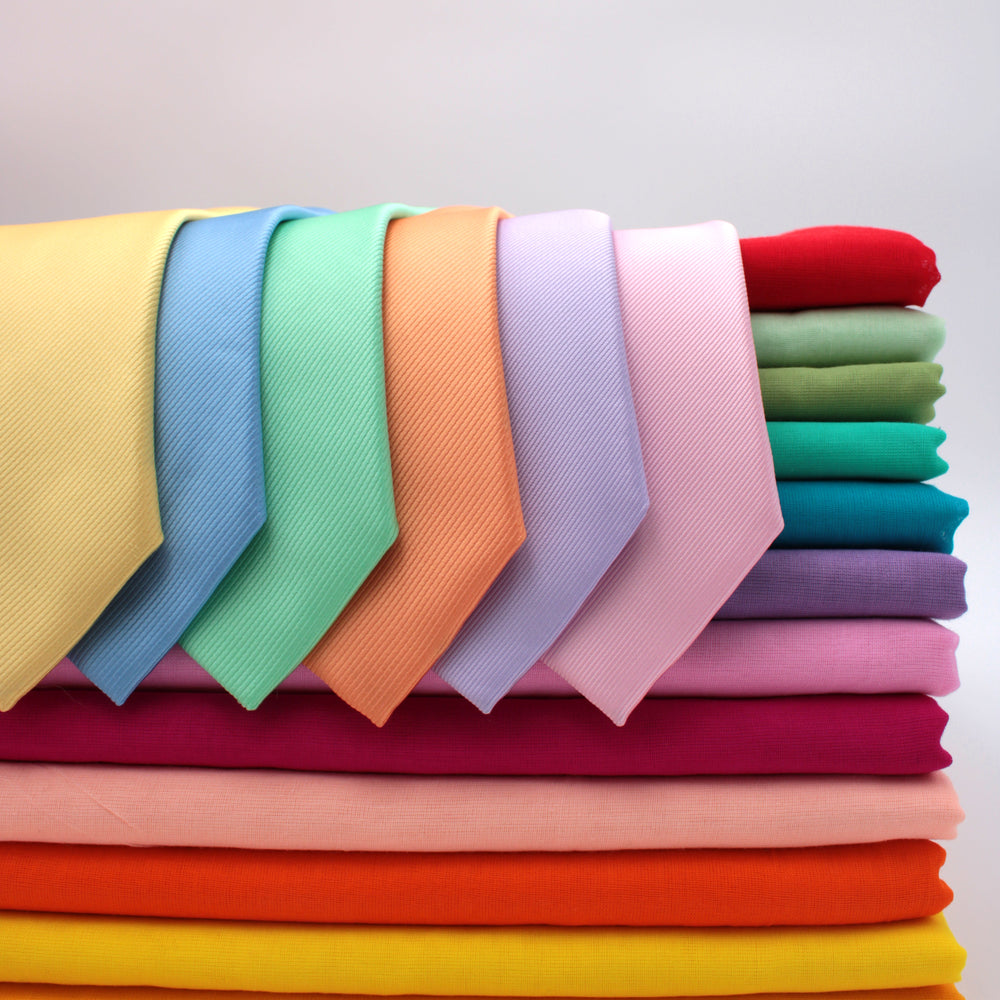
The Complete Beginner's Guide to Wearing a Turban
Everything You Need to Know Before You Tie Your First Dastar
By Meri Dastar • meridastar.in • Beginner's Series
Starting Is the Hardest Part
You have decided to wear a Dastar. Or you are thinking about it seriously. Or someone in your family — a son, a younger brother — is starting out and you want to get it right.
The question that stops most people before they even begin is not philosophical. It is practical: which fabric, which length, which style, and where on earth do you actually start? This guide answers all of it — clearly, completely, and without assumptions about what you already know.
Step 1 — Understanding What a Dastar Actually Is
A Dastar (turban) is a long piece of cotton fabric that is wound carefully around the head to cover the Kesh (uncut hair). It is not pre-stitched into a shape. It is not a hat or a cap that you put on. Every time you tie a Dastar, you are actively creating the shape by wrapping the fabric around your head.
This matters because it means two things.
First — tying a Dastar is a skill that takes time to learn. It will not look perfect on day one. Day fifty is where the real confidence begins.
Second — because you tie it yourself every day, the Dastar becomes a daily practice, a ritual. Many Sikhs describe tying their turban as one of the most grounding parts of their morning.
You will get it wrong the first few times. Everyone does. That is not failure — it is learning. The Dastar will look different on day one than it does on day one hundred. Keep tying.
Step 2 — Choose Your Fabric
The fabric is the most important decision for a beginner, and there is a clear answer: Full Voile is the right starting fabric for almost everyone.
Full Voile — The Beginner's Fabric
Full Voile is a soft, medium-weight 100% cotton fabric with just enough body to hold its shape while remaining comfortable throughout a full day. It does not slip as easily as lighter fabrics, it does not feel heavy on the head, and it gives you enough grip during tying to make the process manageable.
This is the most popular turban fabric at Meri Dastar. It works for everyday wear, formal occasions, office, and casual use. For a beginner, start here.
Rubia Voile — When You're Ready for More Structure
Rubia Voile is heavier than Full Voile and holds its shape more firmly. As a beginner, it can be slightly harder to manage because of the weight and stiffness. Once you are comfortable with tying, Rubia Voile is excellent for formal occasions and larger turban styles.
Mal Mal F74 — For Dumala Only
Mal Mal is the softest and lightest fabric. It is specifically for the Dumala style turban, which requires 10 to 15 metres wound in many layers. Not for everyday beginners — this is a specialist fabric for a specialist tying style.
Simple rule: Start with Full Voile. It is forgiving, versatile, and available in over 100 colours. Switch fabrics when you are confident enough to experiment.
Step 3 — Choose Your Length
For a beginner, the answer is straightforward: 6 metres is the standard length for most tying styles and most head sizes. It is the length that works for the Patiala Shahi, the Wattan Wali, and most everyday Dastar styles.
📐 6 metres → Standard — for most head sizes and everyday styles. Start here.
📐 7 to 8 metres → Larger head / more voluminous style — try this after you're comfortable with 6m
📐 10 to 15 metres → Dumala only — not for beginners
If you are genuinely unsure about your size, measure the circumference of your head. Most standard Sikh Dastar styles are designed around a 6-metre cloth for head sizes between 54cm and 60cm.
Step 4 — Should You Get Pikko (Centre Stitching)?
When you order from Meri Dastar, you will see the option for Pikko — our free centre stitching service. For beginners, the answer is almost always yes.
Pikko takes your 6-metre turban, cuts it precisely in the centre, and stitches the two halves together along their length — resulting in a 3-metre long cloth that is double the original width. This wider, shorter cloth is significantly easier to tie, holds its shape better on the head, and gives a fuller, more structured look.
❌ Without Pikko → 6m long, original width — harder to manage for beginners, better for Dumala
✅ With Pikko → 3m long, double width — easier to tie, better shape, recommended for beginners
Pikko is completely free at Meri Dastar on all orders. Once a turban has been stitched with Pikko, it cannot be returned or exchanged. If you are tying a Dumala, choose unstitched — Dumala requires the full flat length.
Step 5 — Choose Your Colour
There are no strict rules for colour as a beginner. The most practical advice is to start with one or two versatile colours that work across multiple situations, and build from there.
Black → Works with everything. Your most reliable everyday turban.
Cream → Clean and versatile. Contrast well with darker outfits.
Navy Blue → Professional, smart. Excellent for office wear.
Maroon / Deep Red → Rich everyday colour. Works for casual and formal.
Remember the contrast principle: your turban should be a noticeably different colour from your shirt. A dark turban with a light outfit. A light turban with a dark outfit. The Dastar is the statement — it should never disappear into your clothes.
Step 6 — Learning to Tie
Learning to tie a Dastar takes practice. There is no shortcut. But there are approaches that make it much faster to learn.
- Watch Patiala Shahi tutorials on YouTube — this is the most common style for beginners and the most widely taught. Search 'Patiala Shahi turban tying' for multiple clear video guides
- Practise in front of a mirror — seeing what you are doing is essential when learning. A full-length mirror or a large wall mirror works best
- Tie every day, even when the result is imperfect — consistency builds muscle memory faster than occasional perfect attempts
- Start in the morning when you are not rushed — the first week will take more time than it eventually will
- Ask someone who ties regularly — a family member, a community member at your Gurdwara. Watching someone tie in person is different from video and accelerates learning significantly
Most people who persist through the first two to four weeks of daily tying describe a sudden shift — a point where the movements start to feel natural rather than foreign. Keep going until you reach that point. You will reach it.
Step 7 — Caring for Your Turban
A Meri Dastar turban is 100% AZO-free cotton, designed to be washed and re-worn many times without losing its colour or shape. The key rules for care are simple:
✅ Soak in cold water separately before first use — for at least 1 hour
✅ Hand wash in cold water with mild detergent, or machine wash on delicate cycle
✅ Dry in shade only — never in direct sunlight
✅ Iron on low temperature if needed
✅ Store fully dry — roll rather than fold to avoid sharp crease lines
❌ Never use bleach, fabric softener, or hot water
❌ Never tumble dry
❌ Never store while damp
Full care instructions are available in our dedicated Turban Care Guide blog at meridastar.in.
Your First Turban Purchase — The Simple Summary
Fabric → Full Voile — most forgiving, most versatile
Length → 6 metres — standard for most styles and head sizes
Pikko → Yes — free at Meri Dastar. Makes tying easier from day one
Colour → Black, navy, cream or maroon — build from these versatile foundations
Learning → Patiala Shahi style, mirror practice, daily tying
Your first Dastar is the beginning of a practice — not a performance. It does not need to be perfect. It needs to be tied. Start there.
Shop at Meri Dastar
→ Full Voile Turbans → meridastar.in/collections/full-voile
→ Everyday Colours → meridastar.in/collections/everyday-colors
→ Business Casual Colours → meridastar.in/collections/business-casual-colors
→ All Turbans → meridastar.in/collections/turbans
→ Fabric Information → meridastar.in/pages/fabric-information


ਇੱਕ ਟਿੱਪਣੀ ਛੱਡੋ